
A building’s roof plays an essential role in protecting its structure, occupants and interior spaces from external conditions. It acts as the first line of defence against rain, wind, sunlight, moisture and changing temperatures. Regular inspections, timely repairs and proper maintenance are necessary to keep a roof in good condition. Roofing services help property owners identify potential problems, maintain structural reliability and prevent damage that could affect building safety. Whether it is a residential property, commercial facility or industrial building, maintaining the roof is important for creating a safe and comfortable environment.
Why Roof Maintenance Is Important for Building Safety
The roof is one of the most exposed parts of any building. It experiences continuous environmental pressure, including heavy rainfall, strong winds, temperature changes and prolonged sunlight. Over time, these conditions can weaken roofing materials and affect the overall condition of the structure.
Ignoring minor roofing problems may lead to larger concerns, such as water leaks, damaged ceilings, mould growth and structural deterioration.
Regular roof maintenance helps property owners:
- Identify early signs of roof damage.
- Prevent water from entering the building.
- Maintain the strength of roofing materials.
- Reduce the risk of moisture-related problems.
- Protect electrical systems and interior fixtures.
- Support a safer indoor environment.
- Extend the useful life of the roofing system.
A well-maintained roof also helps reduce unexpected repair requirements and supports the long-term condition of the property.
How Roofing Services Help Maintain Building Safety
Professional roof maintenance involves several activities designed to identify damage, improve roof performance and protect the building from external conditions.
See also: How Digital Threads Connect Product Lifecycles
1. Identifying Roof Damage Through Regular Inspections
Regular roof inspections help detect problems before they become serious. Some forms of roof damage may not be immediately visible from inside the building, making professional assessments important.
During an inspection, roofing professionals may examine shingles, tiles, flashing, gutters, drainage points and other roofing components.
Common warning signs include:
- Missing, cracked or loose roofing materials.
- Damaged flashing around roof openings.
- Water stains on ceilings and walls.
- Blocked drainage systems.
- Sagging roof sections.
- Visible gaps or deteriorating roof joints.
Identifying these issues early allows property owners to arrange suitable repairs and reduce the possibility of further damage.
2. Preventing Water Leaks and Moisture Damage
Water penetration is one of the most common roofing problems. Even a small opening can allow rainwater to enter the building, especially during periods of heavy rainfall.
Over time, moisture can damage ceilings, insulation, wall surfaces and wooden structural components. Persistent dampness may also encourage mould growth, which can affect indoor air quality.
Roofing professionals can identify the source of leaks, repair damaged sections and check vulnerable areas around chimneys, vents and roof joints.
Maintaining waterproofing materials and drainage systems helps prevent moisture from entering the building and protects its internal structure.
3. Maintaining Structural Stability
A roof must be strong enough to support its own weight and withstand environmental pressure. Damaged support structures, deteriorating materials or prolonged moisture exposure can affect its stability.
Roofing inspections help identify problems such as weakened roof decking, damaged support components and areas showing signs of sagging.
Timely repairs help prevent further deterioration and maintain the roof’s ability to perform its protective function.
If significant structural damage is suspected, a qualified building or structural professional may need to assess the affected areas before repair work begins.
4. Improving Roof Drainage and Water Flow
An effective drainage system helps direct rainwater away from the roof and building foundations. When gutters, downpipes or drainage outlets become blocked, water may collect on the roof or overflow near external walls.
Standing water can place additional pressure on roofing materials and increase the likelihood of leaks.
Regular maintenance may include:
- Removing leaves, dirt and accumulated debris.
- Checking gutters for cracks or loose fittings.
- Inspecting downpipes for blockages.
- Checking roof drainage outlets.
- Ensuring water flows away from the building.
Proper drainage helps reduce moisture-related damage and protects different parts of the property.
Common Roofing Problems That Can Affect Building Safety
Understanding common roofing issues helps property owners recognise when maintenance or repairs may be necessary.
1. Damaged or Missing Shingles and Tiles
Shingles and tiles protect the roof surface from rain, sunlight and wind. Cracked, loose or missing materials can expose the underlying layers to moisture.
Replacing damaged sections helps restore the protective covering and reduce the risk of water penetration.
2. Flashing Deterioration
Flashing is installed around roof openings, edges, chimneys and other joints to prevent water from entering vulnerable areas.
If flashing becomes loose, cracked or corroded, water may find its way beneath the roofing materials.
Regular inspection and appropriate repairs help maintain effective protection around these areas.
3. Roof Sagging
A sagging roof may indicate problems with the supporting structure, excessive moisture or weakened materials.
This issue should never be ignored because it may affect the roof’s ability to support its intended loads.
A qualified professional should assess the cause and determine the appropriate corrective measures.
4. Poor Roof Ventilation
Roof ventilation allows air to circulate through suitable roof spaces. Poor ventilation can contribute to heat accumulation and moisture condensation.
These conditions may affect insulation, roofing materials and wooden components over time.
Maintaining appropriate ventilation helps support a more stable indoor environment and reduces moisture-related concerns.
The Role of Roofing Services in Protecting Different Buildings
Different types of properties have different roofing requirements. The design, materials, building use and environmental exposure all influence the maintenance approach.
Residential Buildings
Homes require reliable roofs to protect occupants, furniture, electrical systems and personal belongings.
Regular inspections can help identify damaged tiles, roof leaks, blocked gutters and ventilation problems. Addressing these concerns helps maintain a comfortable and secure living environment.
Commercial Buildings
Commercial properties often have larger roof areas and may contain offices, retail spaces, storage facilities and equipment rooms.
Roofing problems can disrupt business activities and damage valuable assets. Regular maintenance helps identify potential issues and reduces the risk of unexpected interruptions.
Industrial Buildings
Industrial facilities may have large-span roofs, specialised roofing materials and equipment installed at roof level.
These buildings require suitable inspection and maintenance procedures to identify leaks, drainage issues and structural concerns.
Proper roof maintenance also helps protect machinery, stored materials and essential building systems.
How Weather Conditions Affect Roof Performance
Weather exposure has a significant influence on roofing materials and their long-term condition.
Heavy Rainfall
Continuous rainfall can expose weak joints, damaged flashing and existing leaks. Poor drainage may also cause water to collect on flat or low-slope roofs.
Strong Winds
Strong winds can loosen roofing sheets, lift shingles and damage roof edges. Regular inspections after severe weather help identify materials that may need repair or replacement.
Extreme Heat and Sunlight
Prolonged sunlight can gradually affect roofing materials, causing fading, cracking or deterioration depending on the material used.
Temperature changes can also contribute to expansion and contraction, placing stress on joints and connections.
Understanding these environmental effects helps property owners plan suitable maintenance activities.
Tips for Maintaining a Safe and Durable Roof
A consistent maintenance routine helps protect roofing materials and identify potential safety concerns.
Consider the following practices:
- Schedule regular inspections: Arrange periodic assessments to identify damage and signs of deterioration.
- Keep gutters clean: Remove accumulated leaves and debris to maintain proper drainage.
- Address leaks promptly: Investigate water stains and damp areas instead of ignoring them.
- Check roof materials: Look for cracked tiles, loose sheets and missing shingles.
- Maintain ventilation: Ensure suitable airflow to help control heat and moisture.
- Inspect after severe weather: Check for visible damage following storms, heavy rain or strong winds.
- Use appropriate professionals: Roof repairs and inspections should be handled by qualified people with suitable safety equipment.
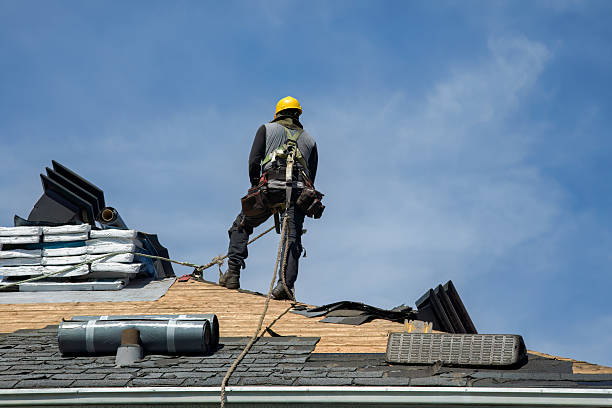
Property owners should avoid climbing onto roofs without proper training and fall protection, as roof surfaces can be unstable or slippery.
Conclusion
A safe and reliable roof is essential for protecting the structure, occupants and contents of any building. Regular inspections, effective drainage, timely repairs and proper maintenance help prevent common roofing problems from developing into serious safety concerns.
Investing in suitable roofing maintenance allows property owners to identify damage early, protect internal spaces and maintain the long-term condition of their buildings. By giving the roof consistent attention, businesses and homeowners can create safer environments and reduce the risk of unexpected structural and moisture-related problems.