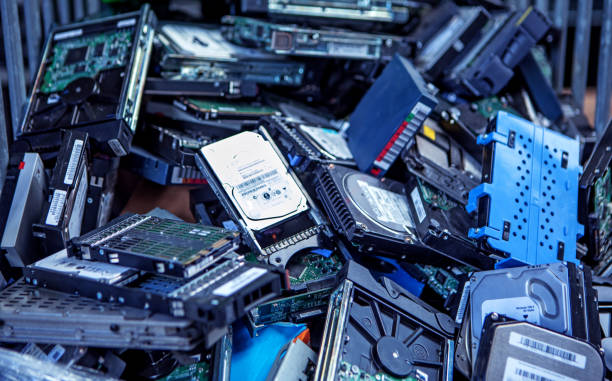

Managing outdated electronic equipment is an important part of maintaining an organised and efficient workplace. Businesses regularly upgrade computers, servers, printers, monitors and other electronic devices to support changing operational requirements. However, replacing technology also creates a need for proper equipment management. Electronic disposal in Chicago helps businesses handle retired electronic devices through organised collection, sorting, recycling and material recovery processes. By understanding how electronic disposal works, organisations can manage outdated business equipment, maintain better asset records and support responsible electronic waste management.
Understanding Electronic Disposal for Businesses
Electronic disposal refers to the organised handling of electronic devices that businesses no longer require for daily operations. These items may include computers, laptops, networking equipment, servers, printers, telecommunications devices and other workplace technology.
As businesses introduce newer equipment, older devices gradually become part of their retired IT inventory. Instead of treating all these items as general waste, organisations can follow structured disposal processes that consider equipment types, material composition and potential reuse or recycling opportunities.
Common business electronics requiring disposal include:
- Desktop computers and laptops.
- Computer monitors and display screens.
- Servers and data storage devices.
- Printers, scanners and photocopiers.
- Routers, switches and networking equipment.
- Keyboards, mice and computer accessories.
- Telephone systems and communication devices.
- Cables, chargers and electronic components.
Understanding these categories helps businesses organise their equipment before beginning the disposal process.
See also: How Digital Threads Connect Product Lifecycles
How Electronic Disposal in Chicago Helps Manage Outdated Business Equipment
Businesses can benefit from organised electronic disposal in several ways. A structured process makes it easier to manage retired equipment while maintaining visibility over existing technology assets.
1. Supports Organised Equipment Collection
Businesses may accumulate outdated electronics across different departments, offices and storage areas. Without a proper collection process, these devices can become difficult to identify and manage.
Electronic disposal helps organisations bring retired equipment together in a designated collection area. Devices can be grouped according to their categories, sizes and handling requirements.
For example, desktop computers and monitors can be organised separately from printers, servers and networking accessories. This makes the overall disposal process easier to coordinate.
2. Helps Maintain Accurate IT Asset Records
Asset documentation is an important part of business technology management. Organisations need to understand which devices are currently in use, which have been replaced and which are ready for disposal.
During the disposal process, businesses can review their equipment inventory and update relevant records.
These records may include:
- Equipment type and description.
- Asset identification numbers.
- Serial numbers.
- Department or previous location.
- Equipment quantity.
- Disposal status.
- Relevant data sanitisation records.
Maintaining updated documentation helps businesses track retired assets and improve their overall inventory management practices.
3. Encourages Better Equipment Sorting
Different electronic devices contain different materials and components. Therefore, sorting is an important stage in electronic disposal.
Computers, batteries, circuit boards, cables and display equipment may require different processing methods. Separating these items helps ensure that they are directed towards suitable recycling or recovery processes.
Proper sorting also helps identify components that may be suitable for refurbishment, reuse or material recovery, depending on their condition.
Common Business Equipment Handled Through Electronic Disposal
Different departments use different types of technology, which means electronic disposal projects can involve a wide range of equipment.
Computers and Laptops
Desktop computers and laptops are among the most common electronic assets used in business environments. They contain several components, including circuit boards, processors, memory modules, storage devices and metal casings.
When these devices reach the end of their operational use, businesses can organise them for assessment, data sanitisation and appropriate recycling or reuse.
Servers and Networking Equipment
Servers, routers, switches and other networking devices support business communication and data management. These assets often contain specialised electronic components that require organised handling.
Before disposal, businesses should identify each device and consider its storage capacity, configuration and data management requirements.
Printers and Office Electronics
Printers, scanners, photocopiers and other office electronics are also common items in business disposal programmes.
These devices may contain plastic housings, electronic circuits, metal components and other materials. Separating equipment according to its type helps support appropriate recycling and processing.
Cables and Electronic Accessories
Business technology environments often contain large quantities of cables, adapters, keyboards, mice, chargers and other accessories.
Although these items may be smaller than computers or servers, they still form part of the organisation’s electronic inventory. Collecting and sorting them separately helps maintain a more organised disposal process.
Important Stages of the Electronic Disposal Process
A well-planned disposal programme generally involves several stages. Each stage helps businesses manage outdated equipment in a structured manner.
Step 1: Identify Outdated Equipment
The first step is identifying electronic devices that are no longer required. Businesses can review their IT inventory and consult relevant departments to determine which equipment has been replaced or retired.
This assessment helps establish the quantity and types of electronics involved.
Step 2: Prepare an Equipment Inventory
After identifying the equipment, organisations should create an updated inventory.
The inventory should include equipment descriptions, quantities, asset numbers and current storage locations. This information helps maintain visibility throughout the disposal process.
Step 3: Address Data Security Requirements
Many business devices contain confidential information, including customer records, employee information, financial documents and internal business files.
Before disposing of computers, servers and storage devices, organisations should determine the appropriate data sanitisation or destruction method.
Depending on the device and business requirements, this may involve:
- Secure data wiping.
- Verified data sanitisation.
- Physical destruction of storage media.
- Documentation of completed data destruction.
This stage helps organisations manage information stored on retired equipment.
Step 4: Arrange Collection and Transportation
Once equipment has been documented and prepared, businesses can organise its collection and transportation.
Devices should be grouped according to their type, quantity and handling requirements. Suitable packaging and handling arrangements help keep equipment organised during movement.
For larger businesses, collection may be coordinated across multiple departments or office locations.
Step 5: Sort Equipment for Recycling and Recovery
After collection, electronic devices can be assessed and separated according to their condition and material composition.
Depending on the equipment, suitable outcomes may include refurbishment, component recovery, material recycling or specialised processing.
This approach helps direct different electronic items towards appropriate end-of-life management processes.
Benefits of Responsible Electronic Disposal for Chicago Businesses
Organised electronic disposal offers several practical benefits for businesses managing outdated technology.
Improved Workplace Organisation
Retired computers, printers and other electronic devices can occupy valuable office and storage space. A structured disposal programme helps organisations manage these items and maintain more organised facilities.
Better IT Asset Management
Regular equipment reviews help businesses maintain updated records of their technology inventory. This makes it easier to understand which assets remain in use and which have reached the end of their operational lifecycle.
Support for Material Recovery
Electronic devices contain materials such as copper, aluminium, steel, plastics and other recoverable components. Appropriate recycling processes help separate and recover these materials for potential use in manufacturing.
More Structured Business Operations
A documented disposal process establishes clear responsibilities for equipment identification, collection, data handling and final processing.
This supports consistency across departments and helps businesses manage technology transitions more efficiently.
Best Practices for Managing Business Electronics
Businesses can improve their electronic disposal activities by following a few practical measures.
- Review equipment regularly: Conduct periodic assessments to identify outdated and unused devices.
- Maintain inventory records: Keep accurate details of equipment quantities, identification numbers and disposal status.
- Separate electronic categories: Organise computers, batteries, cables, printers and networking devices separately.
- Prioritise data sanitisation: Establish suitable procedures for handling information stored on electronic devices.
- Choose appropriate recycling channels: Ensure different equipment categories are directed towards suitable processing facilities.
- Maintain disposal documentation: Keep records of collection, transportation, data destruction and recycling activities.
- Plan equipment retirement: Include disposal requirements in the organisation’s overall IT asset management strategy.
Conclusion
Managing outdated electronic equipment is an essential part of responsible business technology management. From computers and servers to printers and networking accessories, every retired device requires appropriate identification, handling and processing. Electronic disposal in Chicago provides businesses with an organised approach to collecting, sorting and managing their unwanted electronics. By maintaining accurate asset records, prioritising data sanitisation and supporting suitable recycling practices, organisations can improve workplace organisation, manage retired technology more effectively and contribute to responsible electronic waste management.