
Industrial installation projects require careful coordination between equipment requirements, facility conditions, labour, schedules, and operational priorities. Even when businesses invest in suitable machinery and infrastructure, poor planning can create unexpected expenses and extend project timelines. Small oversights, such as inaccurate measurements, incomplete site assessments, or delayed material deliveries, can affect multiple stages of an installation.
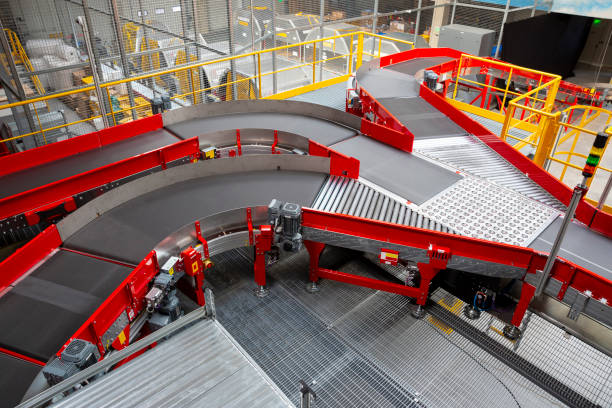
Effective planning is particularly important for conveyor line installation, where equipment must integrate with existing production processes. Recognising common planning mistakes early helps businesses control costs, minimise disruptions, and achieve more predictable project outcomes.
1. Starting Installation Without a Detailed Site Assessment
One of the most common installation planning mistakes is beginning work without fully understanding the existing facility. Industrial environments often contain structural limitations, electrical requirements, access restrictions, and operational constraints that influence installation activities. Overlooking these conditions can lead to redesigns, additional labour, and unexpected construction expenses. A detailed site assessment provides the information needed to establish a realistic installation plan before equipment delivery and assembly begin.
Ignoring Facility Measurements and Structural Requirements
Incorrect measurements can create significant problems during industrial installations. Equipment may arrive at a facility only for the installation team to discover that available floor space, ceiling clearance, or access dimensions are insufficient.
For conveyor line installation, businesses should verify the proposed equipment dimensions, mounting locations, transfer heights, and required clearances. Structural supports and floor conditions should also be assessed where relevant.
Accurate measurements reduce the risk of equipment repositioning, additional fabrication, and construction modifications. Documenting site conditions before finalising equipment specifications can prevent avoidable expenses later.
Overlooking Existing Infrastructure
Industrial installations frequently depend on existing electrical systems, structural supports, utilities, and machinery connections. Assuming that current infrastructure can accommodate new equipment without verification may create delays once installation begins.
Businesses should evaluate electrical capacity, connection points, control system compatibility, and any required structural modifications. They should also identify potential access restrictions that could affect equipment transportation and positioning.
A professional conveyor installation company can help assess these conditions and identify technical requirements before work starts. This allows businesses to address potential problems during planning instead of resolving them under installation deadlines.
2. Failing to Establish a Realistic Project Schedule
Installation schedules often become unrealistic when businesses focus only on equipment delivery and assembly. Industrial projects involve several connected activities, and delays in one area can affect the entire timeline. Site preparation, approvals, transportation, labour availability, testing, and commissioning must all be considered. Establishing a realistic schedule helps project teams understand dependencies and coordinate work without creating unnecessary pressure or operational interruptions.
Underestimating the Time Required for Each Stage
Some businesses assume installation will begin immediately after equipment arrives. However, facilities may still require preparation, electrical work, structural adjustments, or removal of existing machinery.
A practical project schedule should account for:
- Initial site inspections and measurements.
- Equipment procurement and delivery.
- Facility preparation and modifications.
- Installation and equipment integration.
- Testing, commissioning, and operator training.
Each stage should have a realistic timeframe and clearly identified responsibilities. Including reasonable contingency periods also helps project managers respond to unexpected challenges without disrupting every subsequent activity.
Failing to Coordinate Different Contractors and Teams
Industrial installations may involve multiple teams responsible for construction, electrical work, equipment assembly, and system integration. When these activities are not properly coordinated, workers may arrive before the required work areas are ready.
For example, installation personnel may be unable to position conveyor equipment because electrical connections or structural supports have not been completed.
Businesses should establish a clear communication process, assign responsibilities, and schedule activities according to project dependencies. Regular progress meetings can also help identify delays before they become larger problems.
3. Choosing Equipment Without Evaluating Operational Requirements
Selecting equipment based primarily on price or availability can create long-term operational challenges. Every facility has different production volumes, material characteristics, spatial limitations, and workflow requirements. Equipment that appears suitable during purchasing may not perform as expected under actual operating conditions. Businesses should evaluate technical specifications alongside their operational objectives before approving equipment purchases or finalising installation arrangements.
Focusing Only on Initial Equipment Costs
Lower upfront costs do not necessarily translate into lower overall project expenses. Equipment that lacks sufficient capacity, flexibility, or compatibility may require modifications or replacement sooner than expected.
Businesses should evaluate the complete investment, including installation, integration, maintenance, energy requirements, and potential downtime.
For example, selecting a conveyor that cannot accommodate anticipated production increases may require additional equipment or extensive modifications later.
A qualified conveyor installation company can help assess equipment specifications against operational requirements, making it easier to compare options based on long-term suitability rather than purchase price alone.
Overlooking Equipment Integration Requirements
New industrial equipment must often operate alongside existing production machinery. Differences in operating speeds, control systems, transfer heights, and connection arrangements can create integration challenges.
Before installation, businesses should confirm how new equipment will interact with existing processes. They should identify required connections, control interfaces, sensors, and communication arrangements.
Integration requirements should also be included in the installation scope and project schedule. Addressing these details early helps prevent situations where newly installed equipment cannot operate effectively because supporting systems are incomplete.
4. Neglecting Material Procurement and Resource Planning
Installation projects depend on the timely availability of equipment, components, tools, and skilled personnel. Missing materials or inadequate resource allocation can interrupt work even when the facility is otherwise ready. Businesses should establish procurement schedules and confirm resource requirements before setting installation dates. This is especially important for larger projects involving multiple equipment sections or specialised installation activities.
Delaying Equipment and Component Orders
Late procurement can affect the entire project schedule. Some industrial components may require specialised manufacturing, additional configuration, or extended delivery periods.
Businesses should identify long-lead items during the initial planning stage and confirm expected delivery dates with suppliers. They should also verify that all required components are included in the procurement list.
Important items to track include:
- Main equipment and conveyor sections.
- Motors, drives, and electrical components.
- Mounting brackets and structural supports.
- Sensors, controls, and connection accessories.
- Replacement parts and installation materials.
Maintaining a procurement checklist helps project teams monitor deliveries and identify missing items before installation work is scheduled.
Underestimating Labour and Equipment Requirements
Industrial installations require suitable personnel, tools, lifting equipment, and handling arrangements. Insufficient labour or unavailable machinery can slow progress and increase project costs.
Businesses should assess the skills required for equipment assembly, electrical connections, system integration, and testing. They should also confirm whether specialised lifting or transportation equipment will be necessary.
Working with an experienced conveyor installation company can help businesses plan labour allocation and identify resource requirements before the project begins. Clear responsibilities also reduce confusion between different installation teams.
5. Overlooking Testing, Commissioning, and Employee Training
An installation project is not complete simply because the equipment has been assembled. Systems must be tested to verify their operation, identify technical issues, and confirm that connected equipment works as intended. Employees must also understand operating procedures and maintenance responsibilities. Failing to allocate sufficient time for these activities can result in avoidable problems after production resumes.
Rushing the Testing and Commissioning Process
Testing should be included as a planned project stage rather than treated as an optional final activity. Businesses should verify equipment movement, controls, sensors, safety devices, and material transfer points before accepting the installation.
For conveyor systems, testing should consider different operating conditions and representative material loads. Any identified issues should be documented and addressed before routine production begins.
A structured commissioning process helps confirm that the equipment meets the agreed project requirements. It also provides an opportunity to resolve problems while installation personnel and technical support are still available.
Failing to Prepare Employees for New Equipment
Even a properly installed system may encounter operational difficulties when employees are unfamiliar with its controls and procedures.
Businesses should arrange training before the equipment enters regular operation. Training should cover normal operating procedures, emergency stops, safety precautions, basic troubleshooting, and maintenance responsibilities.
Employees should also receive relevant operating documentation and know whom to approach when technical issues arise. Preparing the workforce helps support a smoother transition and reduces confusion during the initial operating period.
6. Making Last-Minute Changes Without Evaluating Their Impact
Changes are sometimes necessary during industrial projects, but unplanned modifications can affect budgets, schedules, and equipment compatibility. Adding conveyor sections, changing equipment positions, or modifying electrical requirements after installation begins may require additional materials and labour. Businesses should establish a formal process for evaluating changes before approving them.
Failing to Document Project Changes
Verbal instructions and informal decisions can create misunderstandings between project managers, contractors, and installation teams.
Every significant change should be documented, including its technical requirements, estimated cost, timeline implications, and responsible personnel.
Businesses should also confirm that updated drawings and installation specifications are shared with everyone involved. Maintaining accurate project documentation helps prevent teams from working with outdated information and reduces the likelihood of rework.
Not Considering Future Operational Requirements
Some installation changes occur because future production needs were not considered during the original planning process.
Businesses should evaluate foreseeable changes in production capacity, product dimensions, workflow arrangements, and facility usage before finalising the installation design.
Considering these factors early can help reduce expensive modifications later. A flexible installation approach also allows businesses to accommodate operational developments without unnecessarily disrupting existing processes.
Conclusion
Installation planning mistakes can increase project costs, extend completion timelines, and create unnecessary operational downtime. Inaccurate site assessments, unrealistic schedules, unsuitable equipment selection, procurement delays, and insufficient testing are among the issues businesses should address before starting industrial projects.
Successful conveyor line installation depends on understanding facility requirements, coordinating resources, and establishing clear responsibilities throughout the project. MTLI Group provides industrial installation and project-related capabilities that support businesses in planning and executing complex facility requirements. With proper preparation, technical coordination, and attention to detail, businesses can reduce avoidable setbacks and create more efficient installation outcomes.