
A reliable electricity supply depends on more than power generation and distribution infrastructure. Electrical networks also require effective protection mechanisms to identify faults, isolate affected equipment and prevent damage from spreading. A power substation plays an important role in this process by managing voltage levels and connecting different sections of the electrical network. Protection systems installed within substations help maintain operational stability, safeguard valuable equipment and reduce the risk of widespread power interruptions.
What Are Power Substation Protection Systems?
Power substation protection systems are arrangements of electrical devices and monitoring equipment designed to detect abnormal operating conditions and respond to faults. They continuously monitor electrical parameters such as current, voltage and frequency to identify conditions that could affect the safety or performance of the network.
When an electrical fault occurs, the protection system identifies the affected section and sends a signal to the appropriate circuit breaker to disconnect it from the network. This process helps prevent excessive current, equipment overheating and further electrical damage.
Protection systems are essential for maintaining the safe operation of substations that handle different voltage levels and electrical loads.
Why Are Protection Systems Important in Electrical Networks?
Electrical networks operate under changing load conditions and must be prepared for unexpected faults. Without suitable protection, a minor electrical problem can develop into a larger failure, affecting connected equipment and power distribution.
1. Preventing Equipment Damage
Transformers, circuit breakers, busbars and other substation components are designed to operate within specific electrical limits. Fault currents and abnormal voltage conditions can place excessive stress on these components.
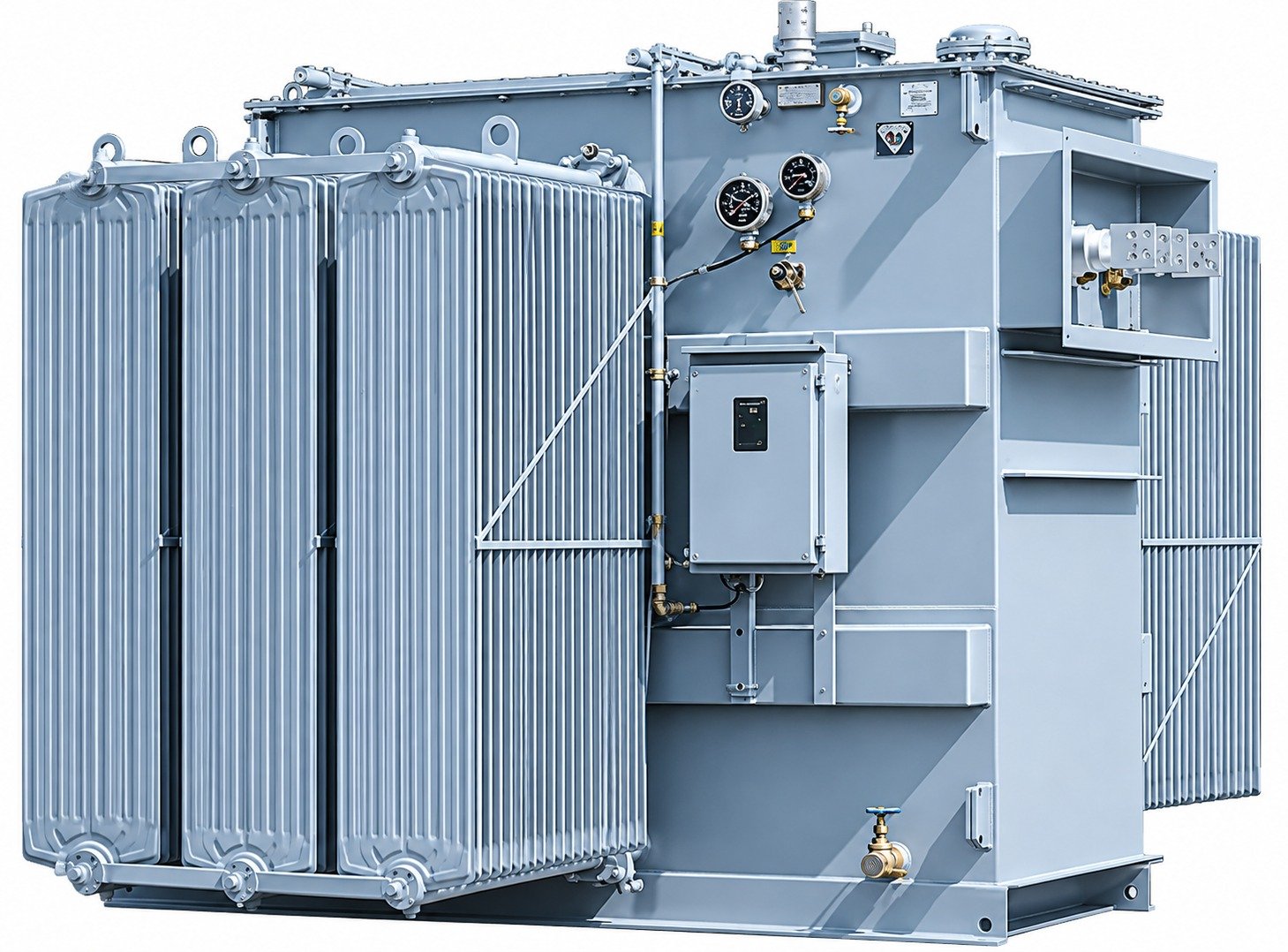
Protection devices detect such conditions and initiate corrective action before damage becomes more extensive. For example, transformer differential protection identifies certain internal faults by comparing the current entering and leaving the transformer.
Early fault detection helps protect expensive electrical equipment and supports longer operational life.
2. Improving Electrical Network Reliability
Power interruptions can affect industrial facilities, commercial buildings, utility infrastructure and other electricity-dependent operations.
Protection systems help limit the impact of electrical faults by isolating only the affected section instead of disconnecting a larger part of the network unnecessarily.
This selective isolation supports continuity of supply to unaffected areas and helps electrical operators restore normal service more efficiently.
3. Protecting People and Infrastructure
Electrical faults can create dangerous conditions, including electrical arcs, excessive heat and equipment failures. These situations may put maintenance personnel, operators and nearby infrastructure at risk.
Protection systems help reduce these hazards by detecting abnormal conditions and disconnecting faulty equipment.
Ground fault protection is particularly important because it identifies unintended electrical connections between energised conductors and earth, helping reduce the risk of electrical hazards.
Key Components of Power Substation Protection Systems
Different protection devices work together to monitor electrical conditions and respond to faults. Each component performs a specific function within the overall protection arrangement.
Protective Relays
Protective relays are monitoring devices that identify abnormal electrical conditions. They receive information from current transformers and voltage transformers and compare measured values against configured protection settings.
When a fault is detected, the relay sends a trip signal to the associated circuit breaker.
Common protective relay functions include:
- Overcurrent protection
- Earth fault protection
- Differential protection
- Distance protection
- Overvoltage and undervoltage protection
- Frequency protection
Modern numerical relays can also record fault information, monitor equipment conditions and communicate with substation control systems.
Circuit Breakers
Circuit breakers interrupt electrical current when a fault is detected by the protection system. They are essential for disconnecting faulty equipment and preventing abnormal electrical conditions from affecting other network sections.
Different circuit breaker technologies are used depending on voltage levels, fault current requirements and installation conditions.
Their performance depends on correct operation, suitable ratings and regular inspection.
Current Transformers and Voltage Transformers
Current transformers (CTs) and voltage transformers (VTs) provide scaled electrical measurements to protection relays and monitoring equipment.
Current transformers reduce high current levels to measurable values, while voltage transformers provide reduced voltage signals for measurement and protection purposes.
Accurate measurements are important because protective relays depend on this information to identify abnormal operating conditions.
Surge Arresters
Surge arresters protect electrical equipment against transient overvoltages caused by lightning strikes and switching operations.
They provide a path for surge current to flow safely towards earth, helping limit the voltage experienced by connected equipment.
They are commonly installed near transformers and other sensitive substation components.
Earthing Systems
An effective earthing system provides a controlled path for fault currents to enter the ground. It also helps maintain suitable voltage conditions around substation equipment during electrical faults.
Proper earthing design considers soil conditions, fault current levels, conductor sizing and touch and step voltage limits.
Common Types of Protection Used in Power Substations
Different electrical components require different protection arrangements because their operating characteristics and potential failure conditions vary.
| Protection Type | Main Function |
| Overcurrent Protection | Detects current exceeding predefined limits |
| Differential Protection | Identifies faults within a protected equipment zone |
| Earth Fault Protection | Detects current flowing through unintended earth paths |
| Distance Protection | Identifies faults based on electrical impedance |
| Overvoltage Protection | Responds to excessive voltage conditions |
| Underfrequency Protection | Detects frequency falling below configured limits |
| Transformer Protection | Identifies internal and external transformer-related abnormalities |
The selection of protection functions depends on substation design, voltage level, equipment type and network configuration.
How Protection Systems Respond to Electrical Faults
Protection systems follow a coordinated process to detect and isolate electrical faults.
Step 1: Continuous Electrical Monitoring
Current transformers and voltage transformers supply electrical measurements to protective relays. These devices continuously evaluate operating conditions against predefined protection settings.
Step 2: Fault Detection
When an abnormal condition occurs, the relay evaluates the measured electrical values to determine whether a fault has developed.
For example, a sudden increase in current may indicate a short circuit or another electrical fault.
Step 3: Fault Isolation
Once the relay identifies a fault, it sends a trip command to the relevant circuit breaker. The breaker opens its contacts to interrupt the current flowing through the affected circuit.
Step 4: System Assessment and Restoration
After the fault is isolated, operators assess the affected equipment and investigate the cause. Once the problem has been addressed and the equipment is considered safe, the affected section may be returned to service through an appropriate switching procedure.
This coordinated response helps limit equipment damage and supports a controlled restoration process.
Factors to Consider When Designing Substation Protection Systems
Protection systems must be designed according to the electrical characteristics and operational requirements of each installation. Several factors influence their selection and configuration.
Electrical Load and Fault Current Levels
Protection equipment must be suitable for the expected operating current and potential fault current. Incorrect settings may cause unnecessary tripping or prevent faults from being detected effectively.
Protection Coordination
Coordination ensures that the protection device closest to a fault operates first whenever possible. This reduces unnecessary interruptions across the electrical network.
Equipment Ratings and Compatibility
Relays, circuit breakers, transformers and associated components must have suitable ratings and compatible operating characteristics.
Environmental and Installation Conditions
Temperature, humidity, dust, vibration and other environmental factors can influence equipment performance. Protection equipment should be selected according to the conditions in which it will operate.
Monitoring and Communication Requirements
Modern substations often use supervisory control and data acquisition (SCADA) systems to monitor equipment and manage electrical operations. Communication between protective relays and control systems helps operators access fault records and equipment information.
The Role of Modern Technology in Substation Protection
Advances in digital technology have improved how electrical protection systems monitor and manage substation operations.
Numerical protection relays offer multiple protection functions within a single device. They can store event records, provide fault information and communicate with other substation equipment.
Digital substations can also use communication networks to exchange measurement and protection signals between intelligent electronic devices.
Automation supports faster fault identification, improved operational visibility and more coordinated responses to electrical disturbances. However, these systems also require suitable cybersecurity measures, communication reliability and regular testing.
Conclusion
Power substation protection systems are essential for maintaining electrical safety, equipment reliability and stable power distribution. Protective relays, circuit breakers, transformers, surge arresters and earthing arrangements work together to identify abnormal conditions and isolate faults before they cause more extensive damage.
Effective protection design also requires proper coordination, accurate electrical measurements, compatible equipment and regular maintenance. As electrical networks become more complex, reliable protection systems will continue to play an important role in supporting dependable electricity infrastructure.